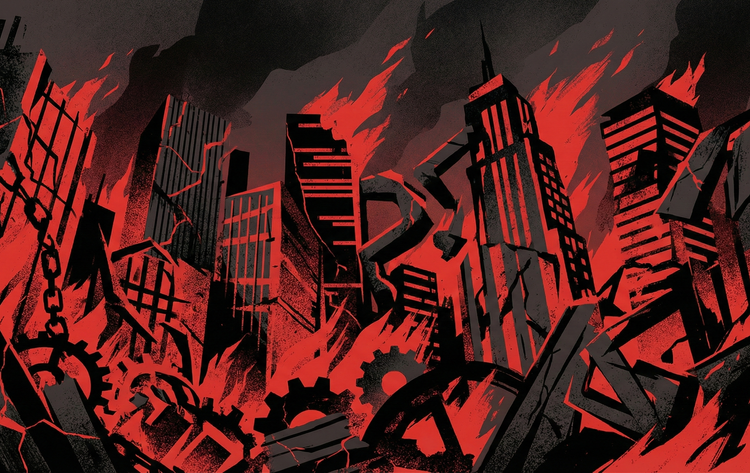
From Firefighter to Force Multiplier: The Real Job of a Tech Lead

🎙️ Lead Don’t Ctrl Podcast — Episode 1
Most tech leads think their job is to put out fires.
They jump into broken builds.
They fix production issues at midnight.
They unblock tickets like human-Jira automation.
That feels productive.
It’s also the fastest way to burn yourself out and cap your team’s growth.
In this episode, we talk about the real job of a tech lead, and why your value isn’t in how many fires you fight, but how many fires never happen because of you.
What we cover in this episode
- Why “hero mode” is seductive and destructive
- The difference between being busy and being effective
- How tech leads accidentally become bottlenecks
- What it actually means to be a force multiplier
- Where tech leads should spend their time instead
This isn’t anti-hands-on.
It’s anti-wasted-effort.
Listen to the episode
👉 Spotify: Listen now
👉 Apple Podcasts: Listen here
The mindset shift most tech leads miss
Firefighters react.
Force multipliers design systems, expectations, and teams that don’t need constant rescue.
If your team can’t move without you:
- You’re not leading
- You’re just really good at fixing emergencies
And emergencies are a symptom, not a strategy.
Who this episode is for
- New tech leads who are wondering why they’re exhausted
- Senior engineers who are being “soft-promoted” into chaos
- Managers who think leadership means availability
- Anyone stuck being the smartest person in every room
If that made you uncomfortable, good.
That’s where growth lives.
If this episode hit home
- Share it with a tech lead stuck in firefighter mode
- Follow the podcast wherever you’re listening
- Check out the rest of LeadDontCtrl for more no-BS leadership content
More episodes coming.
Same honesty.
No corporate theater.